
About Project eYacht
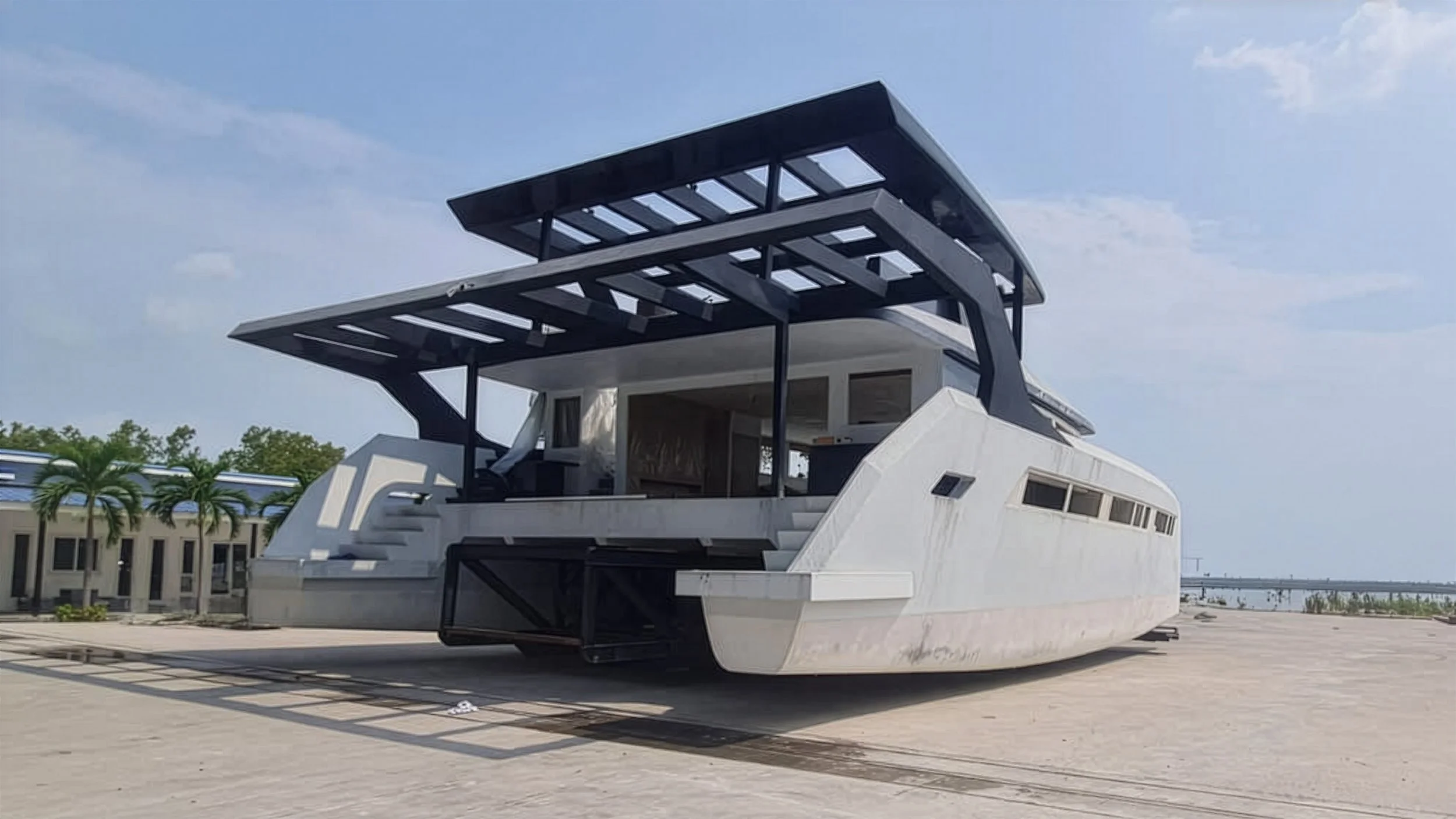
Project eYacht is a marine technology education channel. It documents the design, construction, and real-world operation of a solar-electric liveaboard catamaran and related marine technologies. It uses a real boat as a concrete example to explain how complex systems: energy generation, batteries, propulsion, automation, and control, work together in practice.
The focus is not on idealised designs or isolated components, but on system-level decisions and how they hold up once a boat is actually built, used, and lived on.
Who we are
Project eYacht is created and produced by Dr Tessica Dall, an Australian physicist and educator. The aim of the channel is to translate complex engineering and technical aspect of boat systems and technologies, and what happens when these systems meet real-world everyday life onboard a liveaboard boat. The vessel at the centre of the channel is co-owned and co-designed by Tessica and her husband Dr Robert Dall, also a physicist.
Dr Tessica Dall
Channel host and content producer
Tessica is an Australian physicist, started her career working on the 15-million-volt heavy ion accelerator at the Australian National University, before transitioning into data analytics and coding. Which is exactly the kind of background that makes designing a solar-electric yacht seem like a perfectly reasonable next step.
She is the founder, host, and content producer of Project eYacht. Her aim is to translate complex engineering and technical decisions into clear explanations that are accessible without losing their technical rigour.
On the boat, Tessica programmed the systems integration software, control logic and user interface of the yacht and propulsion control systems.
She is also developing SeaScribe AI, an AI captioning system for marine VHF radio, because apparently one large technical project at a time wasn't enough.
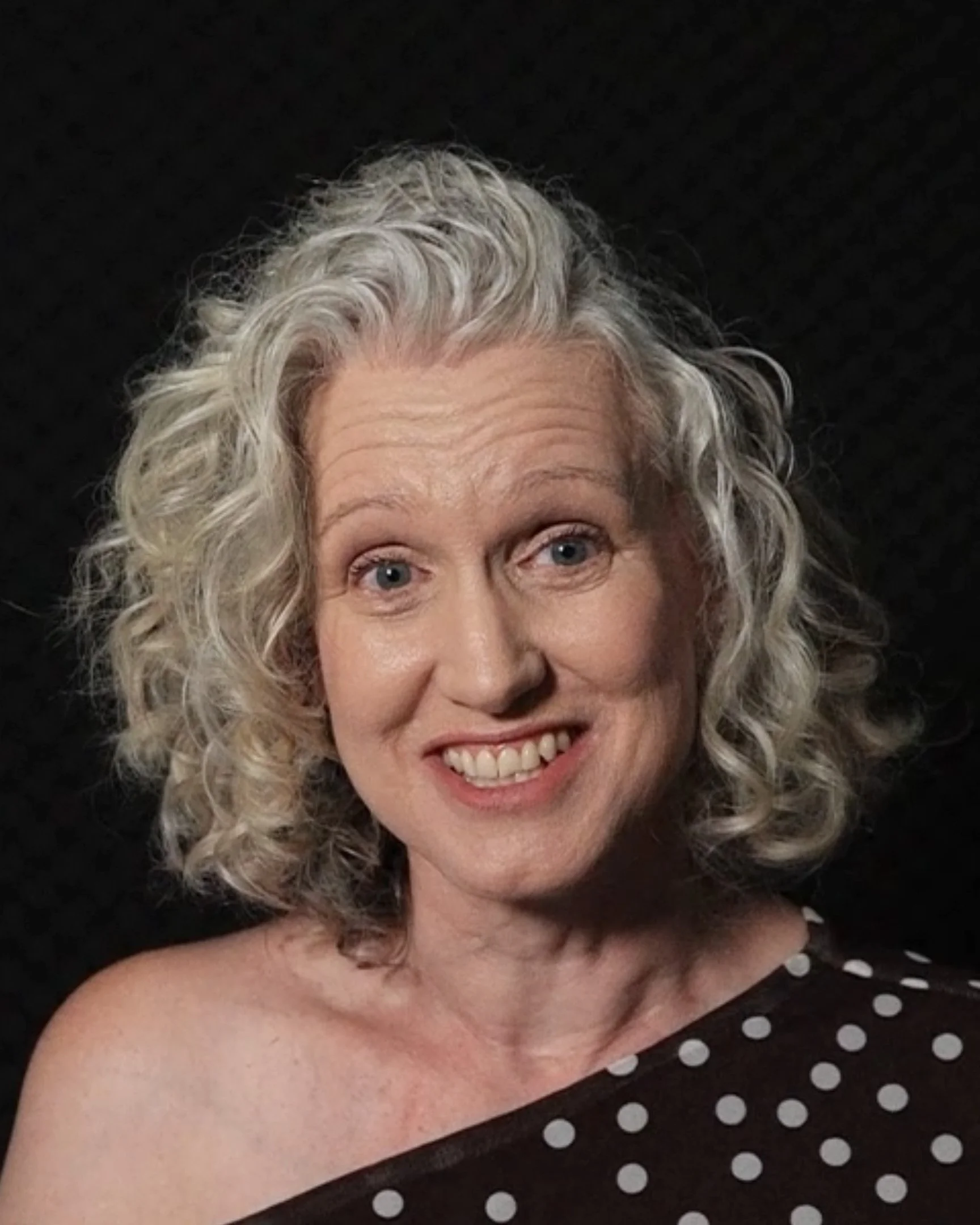

Dr Robert Dall
Chief boat build instigator and unofficial fact-checker
Rob, also an Australian physicist, is chief instigator of the boat build.
His background in experimental physics underpins the design and optimisation of the boat's high-voltage electrical architecture, battery systems, and propulsion design which feature on the channel. Designed for robustness, efficiency, and real world operability, he will assure you that they are definitely not over-engineered.
While he is not involved in running the channel, he has given himself full veto rights over any technical claim that is even slightly wrong, and takes this responsibility very seriously. We may get him on camera at some point.


Why we’re doing this
We started this project because we couldn’t find a solar electric boat that met our performance requirements, and there was a lack of clear, grounded explanations of what it actually takes to design an efficient solar electric boat.
Project eYacht is a personal and family project. We’re building a boat we intend to live on, and sharing what we learn along the way because the same questions keep coming up: Is this practical? What are the real tradeoffs? What changes once systems are used every day?
Rather than presenting answers upfront, we document the process honestly, including revisions, compromises, and lessons learned through testing and use.
How to engage with the project
Most of the project is shared publicly through YouTube videos that explain the systems, decisions, and testing as the build progresses.
For those who want to spend more time with the ideas, including deeper technical notes, design rationale, and longer discussions, we also run The Workshop, a small, focused space that supports the project with deeper written material and longer discussions.
There’s no required path. Curiosity is enough.